Immigration and Integration: Notes from the Oak Grove

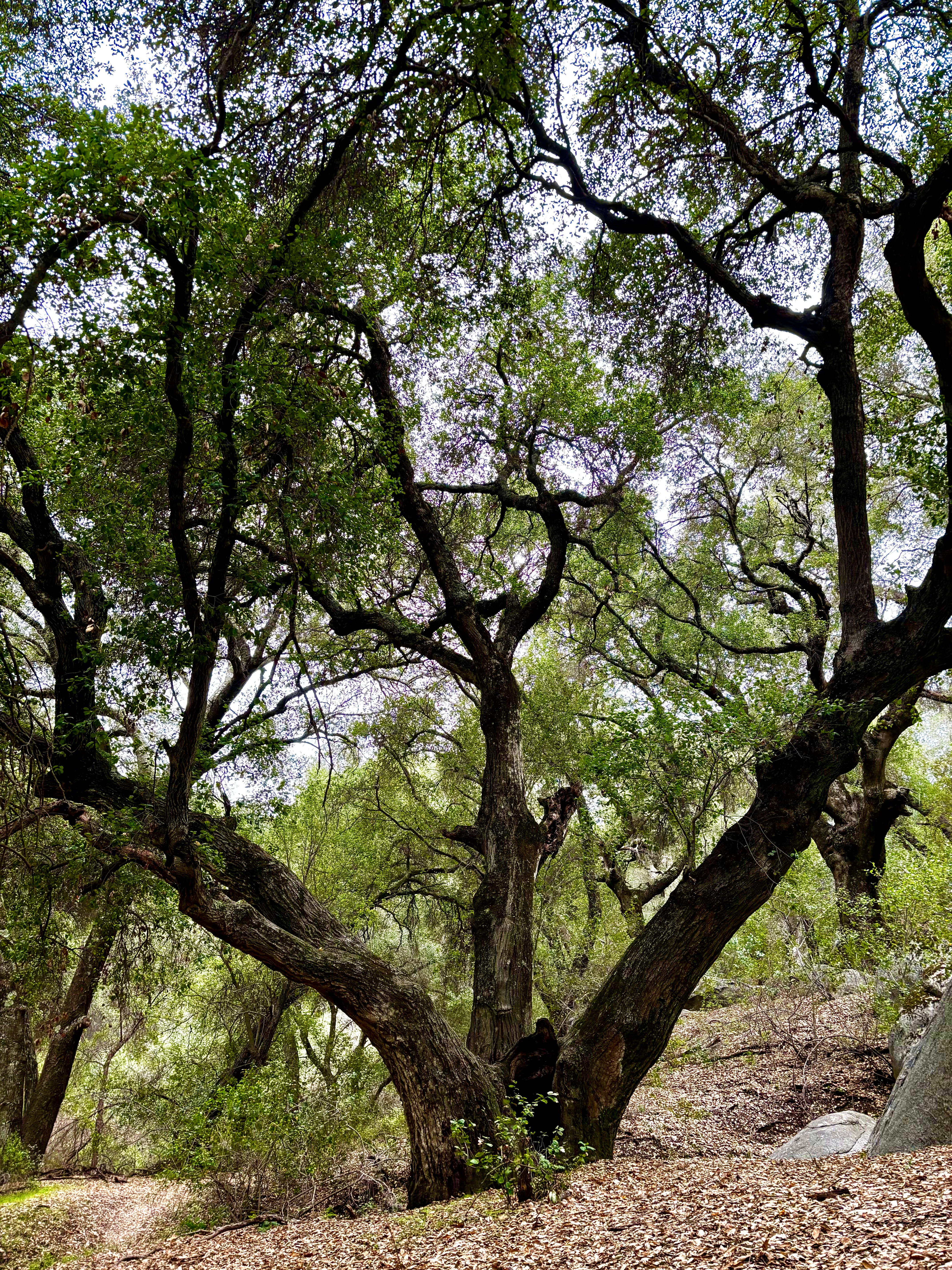
Leaving the local regional park after a beautiful communion with the native oaks and sycamores, I heard the screeching of parrots flying above me.
I realized at that moment that the parrots are non-native to the lands here in Southern California. They were displaced — captured as house pets and later released, procreated, and now occupy many areas in Southern California. I started to feel a little judgmental and protective over this native area that I love so much. A second later, the realization that the parrots did not ask to be here nor did they choose to leave their indigenous home shifted judgement to compassion.
As it stands the parrots have not threatened the native red-tailed hawk, turkey vulture, or smaller species like the bushtit. In fact, the US Fish and Wildlife Service has deemed parrots “naturalized” rather than “invasive” because they feed on the non native exotic plants that have been brought here as well. Interesting how these refugees have thrived and integrated into the existing environment.
This led me down a path of immigration and integration.
I was thinking about how the vast majority of us are immigrants to this land. The only people truly native to this place we call the United States of America are the indigenous people who were here before the Europeans. It’s only been a few hundred years that the Europeans came, took over, and then called themselves natives. That immigration was absolutely horrific to the people already living and thriving here — not unlike the Arundo Donax (Giant Reed) from Asia and how it chokes out native plants that were vital to the health and well-being of the ecological systems already in place.
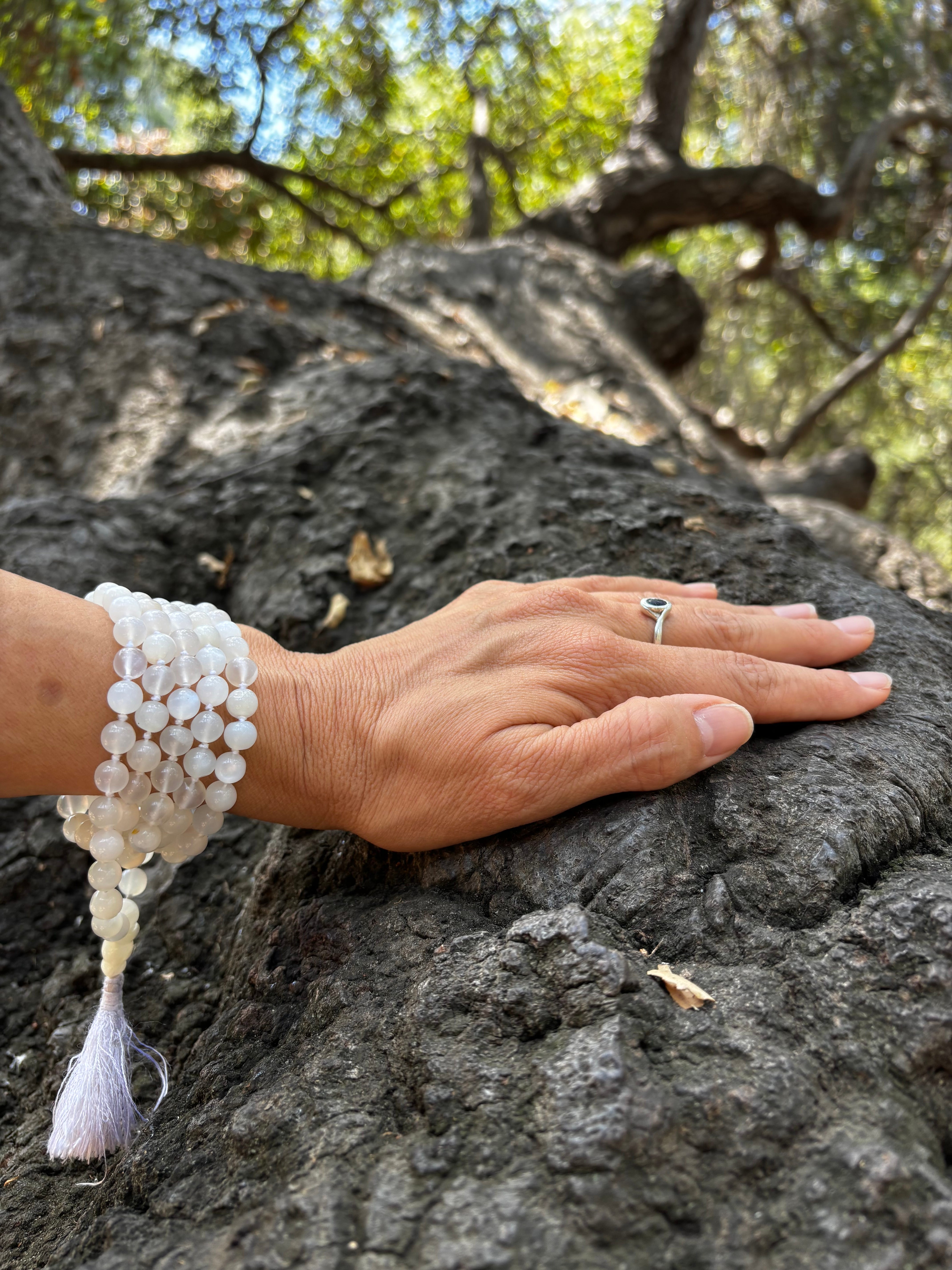
The indigenous people understood their relationship to the land as “belonging to it.” The European settlers understood their relationship to the land as “owning it”.
Then I thought about how, eventually, the land adapts and holds true to what it needs. Over the centuries the land hasn’t gone away. The land has not died. Earth Mother flourishes in a short span of time away from humans. We may have lost a few species, yet she still thrives — after fires, after droughts, floods, and immigrants. Give her some time and the land continues to flourish.
Just look at the eucalyptus trees. They’re not native to Southern California at all — they’re from Australia. They are highly flammable and a constant threat to the native oaks and bays that know how to conserve water and withstand fire. Yet, eucalyptus trees were vital for early colonizers to survive. They created fast growing windbreaks allowing farms to be planted, food to be grown, and nourishment to take root.
My thoughts turned to humans and their sickness to “own” instead of “belong” to the land. ICE (Immigration and Customs Enforcement) which was formed in 2003 to protect US citizens after 9/11, has diverged from its mission. As of late, ICE inflicts more harm than it heals. Immigration enforcement and regulation is out of balance.
And that made me think about the hundreds and hundreds of volunteers who come onto these native lands — through federal and local parks, through private organizations — and pull out invasive plants like mustard and artichoke thistle that are choking out some of our more beautiful and vital natives. Our indigenous plants and shrubs are fire-resistant, designed to survive in drought and regenerate after fires.
I recently discovered there are certain native flowers and plants that only grow and bloom after a fire. They are called fire followers. The seeds remain dormant in the soil for years and decades waiting to germinate through fire, smoke and charred wood. They help bring carbon and stability back into the soil so that our native annuals and perennials can thrive. Interesting to think that beauty requires destruction to emerge. What can bloom within us, within our indigenous land after we’ve been burned? Who and what naturally evokes integration?
Immigration and integration, ownership and belonging — it’s such a rich and complicated dance. We are all immigrants. We are all coming from somewhere, staying for a short period of time, and then returning to wherever it is we came from. We are all immigrants to this planet.
Maybe it isn’t about self-righteous cutting, dominant ownership, and purity to the extent of damage. Maybe it’s about understanding and innovation. Maybe it’s about taking this great human intellect and finally ripening it into wisdom so that all can flourish.
Of course, just like trimming our nails, we will need to create boundaries for compassionate stewardship of our planet and our culture. With deep connections to our inner world, each other, and the land we are capable of finding harmony.
It’s in our nature.